Three hormone actions in your body
How Retatrutide Works in Your Body
Phase 2 results may come from GLP-1, a gut hormone, plus two actions tied to insulin, blood sugar, and stored fuel.
Retatrutide acts like three hormones
Retatrutide attaches where three hormones normally act. Each contact starts work inside a cell. The drug copies the hormone’s instruction.
One hormone comes from your gut. It tells your brain that you’ve eaten. It also slows your stomach.
The hormone helps your pancreas release insulin. This help rises when blood sugar is high. Approved weight drugs already copy it.
Another hormone also starts in your gut. It helps your pancreas release insulin after meals. It may change how fat holds fuel.
Drugs copying both gut hormones led to more weight loss. Retatrutide adds one more action.
The last hormone comes from your pancreas. It may lift blood sugar. The same hormone tells your body to use stored fat.
The first two actions may balance that sugar rise. Researchers think the last may raise fuel use. That could help explain Phase 2 weight loss.
See retatrutide half life for the time the medicine stays in the bloodstream.
The first hormone also helps insulin. It may slow your stomach and curb hunger.
The second hormone helps after meals. The last deals with stored fuel.
All three actions happen together. The studies still can’t tell your response or long-term safety.
No result can name your outcome. It can’t know your needs.
You can follow the body changes without lab codes. Your response remains unknown.
Doctors call the first gut hormone GLP-1. It may curb hunger and help insulin. Some approved drugs copy GLP-1. The same hormone can slow your stomach. Retatrutide pairs GLP-1 with two other actions. This makes GLP-1 one part of the drug’s three actions. Reviews compare GLP-1 drugs with newer ones. Researchers know how GLP-1 affects hunger. Phase 3 now asks larger safety questions. GLP-1 remains just one part.
You can’t know your response from a study. The study doesn’t know your history. Your doctor will use both the evidence and your health.
The actions involve your gut, brain, and liver
Hormones attach to certain parts of cells. That contact tells a cell to begin its work. Retatrutide copies this first step.
The first action affects hunger and your stomach. It begins in cells of the pancreas, brain, and gut nerves. This action can cut food intake.
It also slows the stomach [6]. You may feel full longer. The same action can cause nausea.
The second action helps after meals. It begins in the pancreas, fat, and brain. This action can raise insulin after food.
A lab study found this was the drug’s strongest action [3]. Drugs with two hormone actions use this pair. Retatrutide adds the third.
The third action affects your liver and stored fuel. It also begins in the kidneys and fat. This action can make the liver release sugar.
It can also free stored fat for fuel. A 2025 review linked this action with more weight loss [6]. No direct human test has proved the cause.
You don’t need lab codes to follow these effects.
Facts from cells can’t tell how you’ll respond. You’ll need to share your health history with your doctor.
These facts don’t decide your care. They can’t predict your response.
Phase 1 studies couldn’t show how the cell findings apply to you.
Lab pictures showed where the drug attached
In 2024, researchers froze tiny pieces of cells with retatrutide attached. A special microscope made close pictures. The drug was attached where all three hormones work [3].
The pictures showed small changes in the drug’s shape. Those tiny details don’t help you judge the medicine.
One of the three hormone actions was stronger. Researchers had planned that balance.
A weaker third action may limit a rise in blood sugar. The pictures can’t prove that result in people.
The drug attached in a firmer shape in two places. Its shape bent more in the third. Researchers think these shapes may explain the different strength.
The lab work showed how researchers shaped the drug. It didn’t show what your body would do.
The paper uses short lab names for each place and drug part. Those names describe shape, not health results.
Natural hormones were attached in the same three places. Researchers compared them with retatrutide.
Researchers checked some places more than once. A frozen cell picture can’t predict your outcome or prove safety.
The paper can’t foretell your health. It won’t make your choice.
Phase 1 first tested people. A later Phase 1 study measured timing. Neither Phase 1 study proved that the lab shapes act the same way in your body.
Studies suggest all three actions work together
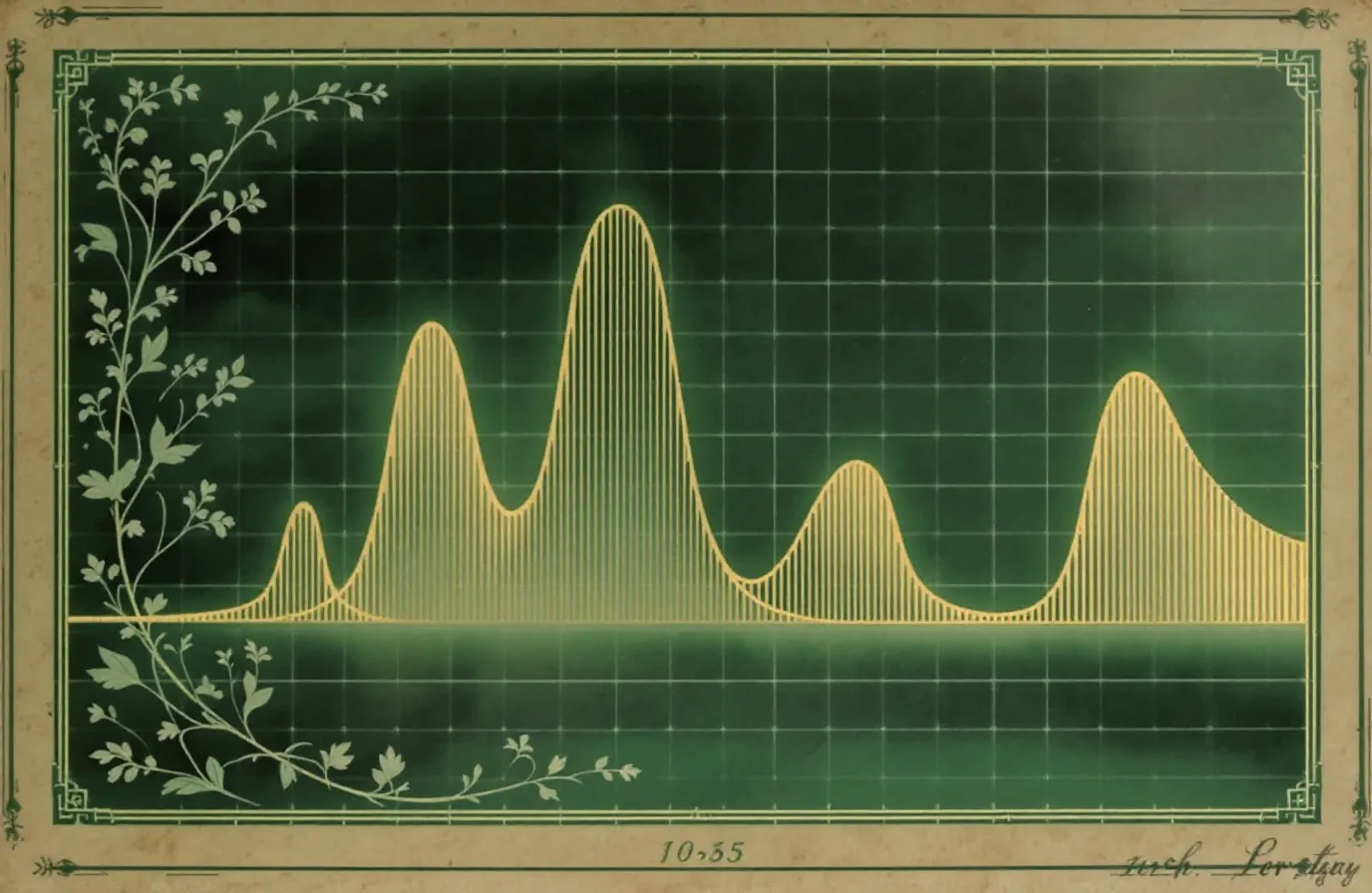
Phase 2 studies found more weight loss as drugs added hormone actions. Drugs copying one action led to about 5–15% weight loss. Drugs copying two led to about 15–22%.
Retatrutide copies three actions. Its weight study found 24.2% average loss at 48 weeks [1]. These studies didn’t compare the drugs directly.
In 2025 and 2024, two reviews offered one possible reason [6] [8]. The first action cuts hunger. The second helps insulin and fat tissue.
The third may raise fuel use. It can also raise resting pulse. Long studies must weigh that tradeoff.
All three actions begin inside cells. Researchers think some effects on sugar may balance. Studies in people haven’t settled that idea.
In 2025, another review looked at this drug group [10]. It found early signs of help for fatty liver and sleep apnea. It found open questions about bone health and memory. Retatrutide hasn’t proved those gains.
See Retatrutide effects for study findings and personal reports.
The reviews compared drugs copying one, two, or three hormone actions. Retatrutide adds the third. That’s the main difference.
Another review made the same comparison. Phase 1 and Phase 3 still matter.
Phase 2 gave the main result in people. Another Phase 2 result covered side effects. Group averages can’t settle your risk.
That average isn’t your answer. It can’t stand in for your doctor.
Phase 1 began the work in people. Another Phase 1 study measured timing.